Prof. Yanyou Wu
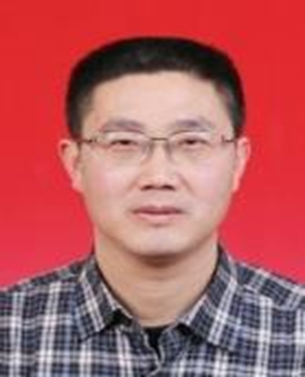
He is a Professor at the State Key Laboratory of Environmental Geochemistry, Institute of Geochemistry, Chinese Academy of Sciences. He earned his Ph.D. in Botany from Sichuan University (1991-1994), M.S. in Plant Physiology and Biochemistry from Guizhou University, and B.S. in Biology from Anhui Normal University. With a career spanning academia and applied research, he has held professorial roles at Jiangsu University (2002-2007) and the Institute of Geochemistry, CAS (since 1998). He is honored with the State Council Special Government Allowance (2002), CAS “Hundred Talent Program” (2008), and Guizhou Core Expert (2019), he has led over 10 national projects, published 19 monographs (via Springer, Science Press of China) and >300 papers (100+ SCI), and holds 100+ invention patents. His work has also won provincial/ministerial sci-tech awards and the 2019 China Industry-University-Research Collaboration Innovation Award. His specialization includes Plant Biophysics, Plant Electrophysiology, Environmental Geochemistry, Biogeochemistry, Karst Plant Adaptation, Photosynthetic Oxygen Evolution. He has been presided over and completed over ten national-level projects funded by entities such as the National Natural Science Foundation of China and the National Key R&D Program. I have published nineteen scientific monographs, fourteen of which I am the sole author or the first responsible author, six published by Science Press of China, and four by renowned international publishers such as Springer. I have authored over three hundred papers in prominent domestic and international journals, including more than one hundred SCI-indexed papers. As the first inventor, I have been granted over one hundred national invention patents. I have received provincial and ministerial-level Science and Technology Progress Awards, four for second and four for third prizes, and was awarded the China Industry-University-Research Collaboration Innovation Award in 2019. His research is situated at the nexus of plant biophysics, electrophysiology, and environmental adaptation, with a central focus on elucidating the integrated physical and chemical mechanisms that underpin plant responses to stress. I investigate how electrophysiological signals act as dynamic indicators of intracellular processes, particularly those involving water-salt transport kinetics and energy metabolism. A significant emphasis is placed on the interplay between electronic and chemical energy in biological processes—specifically, how electrical energy (such as proton gradients and membrane capacitance) and chemical energy (such as ATP) work in concert to regulate growth, ion homeostasis, metabolism, and stress adaptation. Through the development of innovative electrophysiological tools, I aim to quantify the spatial and temporal coordination of these signals, thereby illuminating the basic principles of energy allocation and functional gene characterization in adaptive responses. My work also encompasses the broader biological implications of electric and magnetic fields on plant physiology, offering a comprehensive framework for correlating physical traits with ecological resilience. His ongoing projects concentrate on developing electrophysiological methods to monitor intracellular water transport dynamics, salt transport dynamics, and energy conversion processes during stress adaptation in real-time. Furthermore, he is dedicated to creating plant life information instruments to analyze the physical and chemical mechanisms through which plants adapt to their environment. Additionally, he establish physical information characterization techniques based on the energy storage and conversion functions of cellular electrical components in living organisms, including Homo sapiens, to bridge the gap between traditional Chinese medicine and Western medicine in understanding the essence of life in Homo sapiens. https://orcid.org/0000-0002-0940-4349